
Horticulture Production & Export
Horticulture · Production, handling, export logistics
Zimbabwe has been a major producer and exporter of horticultural crops driven by favourable climate, farming skills and access to European markets. Exports peaked at US$143m — a return-to-form opportunity in citrus, berries, grapes, bananas, tomatoes and onions.
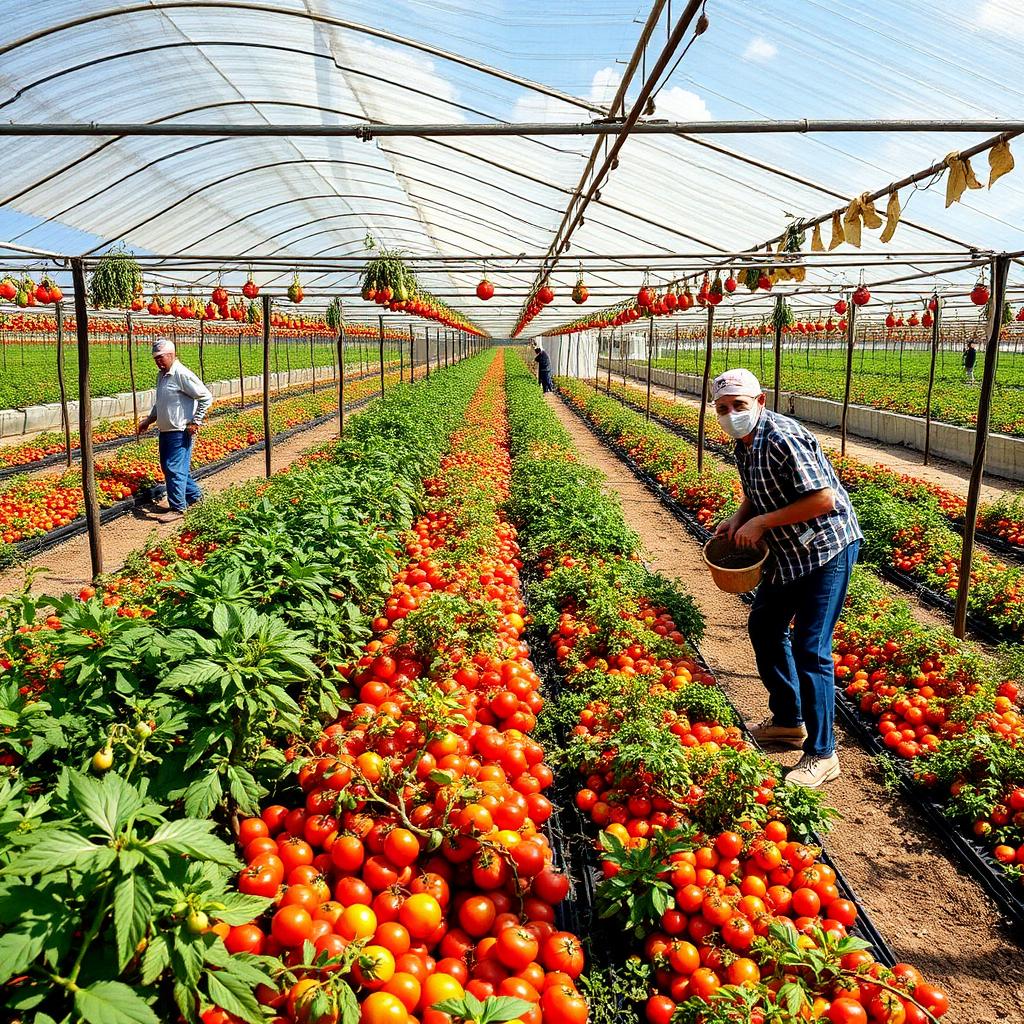
Zimbabwe has been a major producer and exporter of a variety of horticultural crops driven by favourable climatic conditions, strong farming skills and access to favourable export markets. Historic export destinations were Europe for cut flowers, fruits and vegetables. The sector used to be the fastest growing after tobacco in foreign currency earnings. Horticulture exports peaked at US$143 million in the 1990s then declined to US$72 million in 2005 and to US$40 million in 2009. The sector contributed 3.5% to GDP in the 1980s and 4.5% in the 1990s.
Production was historically dominated by large-scale commercial growers who made significant investments in skills development, irrigation infrastructure, handling facilities, export market development and coordination.
Where the capital goes.
The country is renowned for producing crops which have large global market size such as citrus (US$157.91 billion), strawberries and blackberries (US$27.2 billion), grapes (US$12.2 billion), bananas (US$16.7 billion), apples (US$11.4 billion), tomatoes (US$10.5 billion), onions (US$7.4 billion) and carrots (US$2.1 billion) — UNCTAD, 2022. Investment opportunities exist in restoring large-scale commercial production, skills development, irrigation infrastructure, handling facilities and export coordination.
Numbers as per ZIDA data.
Local demand, export demand and production gaps.
Why Zimbabwe.
Approximately 33 million hectares of arable land for crop and livestock production.
Over 10,000 small, medium and large dams — potential to irrigate up to 2 million hectares.
Temperate climate favourable across five agro-ecological regions.
Strong human capital base with a 90% literacy rate.
Strategic location on the North-South Corridor — regional logistics hub.
Preferential market access through SADC, COMESA, ACP, AfCFTA and WTO.
Multi-currency system eliminating exchange rate risk; dividends and profits freely remittable.
Investment Promotion & Protection Agreements (bilateral and multilateral).
Enabling infrastructure.
Why invest in this opportunity.
Register interest in Horticulture Production & Export.
Submit your details to receive the full information pack and arrange an introduction with sector counterparts and project promoters. Every enquiry is reviewed personally by the Invest Zimbabwe team.